
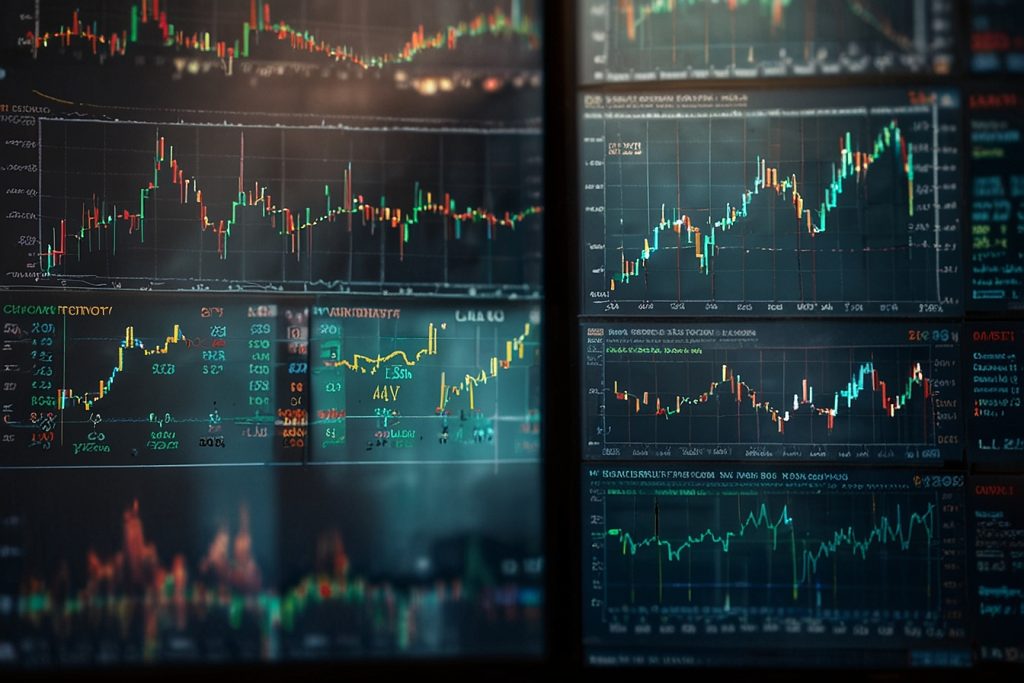
On the trading desk, you may encounter instruments where each position has a clearly defined result from the start: a fixed return if the forecast is correct, or a full loss of the stake if it is not. These trades focus on direction and timing, not on the size of the market move.
Before entering a position, the trader decides three things:
- Market – such as a currency pair, index, or commodity
- Direction – whether price will finish higher or lower
- Time horizon – often very short, from seconds to minutes
Once executed, the position cannot be modified. At expiration, the trade settles immediately, producing a known payoff or a known loss. This structure makes decision-making fast and rule-based, which is why such instruments are often used for testing short-term strategies.
From a desk perspective, the key skills are:
- reading momentum and volatility,
- aligning entries with market sessions or news,
- controlling position size to manage drawdowns.
While the mechanics are simple, the risk profile is aggressive. Consistency depends less on prediction and more on discipline, probability management, and knowing when not to trade. For this reason, these instruments are best approached as tactical tools rather than long-term investment vehicles.